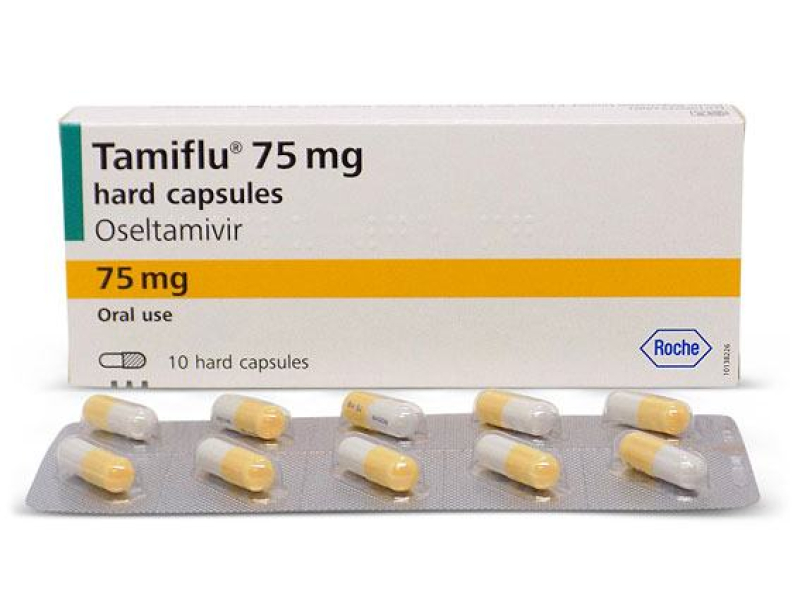
Tamiflu (oseltamivir) is an antiviral medication licensed to treat and prevent influenza A and B infections in adults. It works by inhibiting an enzyme the virus needs to replicate, which can reduce symptom severity and shorten the duration of illness when started promptly — ideally within 48 hours of symptom onset. For treatment, typical courses last five days; for post?exposure prevention, a clinician may recommend a different dose or duration depending on the situation.
Tamiflu can be used preventively after close contact with someone who has confirmed or suspected flu, and it may be recommended for people at higher risk of complications or when rapid protection is needed in outbreak settings. It is not a replacement for the seasonal influenza vaccine; vaccination remains the primary method for reducing the risk of infection and severe disease, while Tamiflu provides additional therapeutic or short?term preventive benefit.
For treatment of confirmed flu, take one 75 mg capsule twice daily for five days, usually one in the morning and one in the evening spaced evenly apart. For post?exposure prevention after contact with someone who has flu, take one 75 mg capsule once daily for 10 days, typically in the morning with breakfast. Always complete the entire prescribed course of Tamiflu, even if you begin to feel better, to ensure the virus is fully suppressed. Read the Patient Information Leaflet carefully and follow your prescriber's instructions; contact your healthcare provider if you have questions or experience side effects.
Common side effects
- Nausea and vomiting (most frequent). Taking Tamiflu with food can reduce these.
- Headache.
- Abdominal pain, indigestion or discomfort.
Less common side effects
- Diarrhoea.
- Dizziness.
- Fatigue or weakness.
- Insomnia or sleep disturbances.
- Temporary changes in taste.
Uncommon and uncommon-but?important effects
- Psychiatric or behavioural changes: confusion, agitation, hallucinations, unusual behaviour, or self?harm thoughts have been reported—more often in children and adolescents but can occur in adults. These changes may appear suddenly.
- Neurological symptoms: seizures, tremor, or coordination problems (rare).
Allergic and severe hypersensitivity reactions (seek immediate medical attention)
- Hives, rash, itching, swelling of face, lips, tongue or throat, difficulty breathing or swallowing, or anaphylaxis.
- Severe cutaneous reactions such as Stevens?Johnson syndrome, toxic epidermal necrolysis, or erythema multiforme (rare but serious).
Other rare reactions
- Liver function abnormalities and, rarely, clinically significant liver injury.
- Haematologic changes (e.g., unusual bruising or bleeding, low blood cell counts) have been infrequently reported.
- Respiratory symptoms such as wheeze or bronchospasm in susceptible individuals.
Special populations and considerations
- Children: gastrointestinal symptoms and neuropsychiatric events have been reported; supervise children closely.
- People with renal impairment: dose adjustments are required; reduced clearance may increase adverse effects risk.
- Elderly and those with chronic illness may be more susceptible to certain side effects and drug interactions.
What to do if you experience side effects
- For mild side effects (nausea, headache), supportive measures (taking with food, rest, fluids) may help; contact your pharmacist or prescriber if they persist.
- Stop Tamiflu and seek urgent medical care if you develop signs of severe allergic reaction, severe skin reaction, sudden behavioural or mental changes, seizures, or breathing difficulty.
- Report suspected adverse reactions to your healthcare provider; they may advise stopping treatment and can report the event to pharmacovigilance authorities.
Drug interactions and monitoring
- Inform your prescriber about all other medicines, supplements, pregnancy or breastfeeding status, and underlying medical conditions. Renal function may be checked in patients at risk to guide dosing.
This list is not exhaustive. Always read the Patient Information Leaflet and discuss potential risks with your clinician before starting Tamiflu.
Cautions and warnings for Tamiflu (oseltamivir)
- Prescription only: Use only if prescribed by a healthcare professional after assessment.
- Timing: Most effective when started within 48 hours of symptom onset for treatment; seek prompt advice.
- Allergies: Do not take if you have a known hypersensitivity to oseltamivir or any excipients. Stop and seek urgent care if you develop rash, swelling, difficulty breathing, or other signs of an allergic reaction.
- Neuropsychiatric effects: Rare cases of confusion, agitation, hallucinations, self?harm thoughts, and other behavioural changes have been reported—more often in children and adolescents but possible in adults. Monitor patients (especially children) closely and stop the drug and seek immediate medical attention if such symptoms occur.
- Severe skin reactions: Discontinue and seek urgent care for severe rash, blistering, or mucous?membrane lesions (possible Stevens–Johnson syndrome/toxic epidermal necrolysis).
- Renal impairment: Dose adjustment is required for patients with reduced kidney function; inform your prescriber of any kidney disease.
- Pregnancy and breastfeeding: Use only if clearly needed and after discussing risks and benefits with a clinician. Oseltamivir may be recommended in pregnancy for severe illness or high risk, but consult your healthcare provider.
- Young children and infants: Follow age?specific dosing and supervision guidance from a healthcare professional; observe closely for adverse effects.
- Elderly and comorbid patients: May be at higher risk of adverse effects or interactions; review all medical conditions and medications with a prescriber.
- Underlying neurological conditions: Use with caution in people with seizure disorders or prior neuropsychiatric history.
- Drug interactions: Inform your prescriber about all medicines and supplements; dose adjustments or monitoring may be needed (e.g., in combination with probenecid or other renally cleared drugs).
- Not a vaccine substitute: Tamiflu treats or temporarily prevents infection after exposure but does not replace seasonal influenza vaccination.
- Complete the course: Finish the full prescribed course even if symptoms improve, unless instructed otherwise.
- Storage and safety: Keep out of reach of children and store as directed on the packaging.
- When to seek urgent care: Stop Tamiflu and seek immediate medical attention for signs of severe allergic reaction, sudden behavioural changes, seizures, breathing difficulty, severe skin reactions, or any rapidly worsening symptoms.
Always read the Patient Information Leaflet and discuss individual risks, dosing, and monitoring with your healthcare provider before starting Tamiflu.