How to Order ? Simple.
-

1.
Select Treatment
Choose from our treatment options or speak to the in-store pharmacist for advice
-

2.
Complete Medical Questionnaire
Complete our free online medical consultation to be reviewed by our Clinical Team
-

3.
Collect Medication from Local Pharmacy
We will notify you when your medication is ready for collection
Advice for Flu
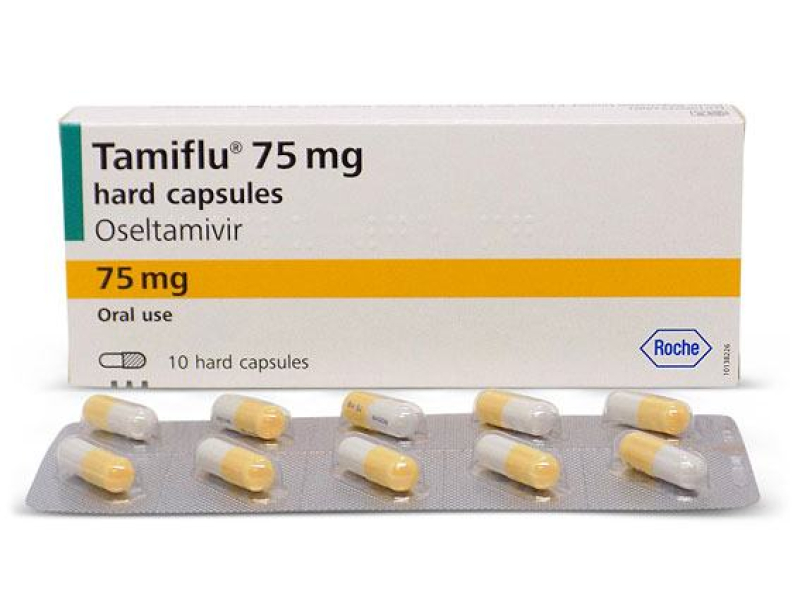
Antiviral Flu Treatment Capsules are prescription antiviral capsules used to treat influenza when started within 48 hours of symptom onset. They work by reducing viral replication, which shortens the duration of illness and relieves symptoms. These capsules can shorten flu symptoms by up to two days, reduce symptom severity, and — when used prophylactically in high-risk, high-exposure settings — lower the chance of infection. Typical symptoms treated include fever, body aches, nasal congestion, sore throat, and fatigue. Influenza is caused by viruses that infect the respiratory tract, is highly contagious, and can lead to complications such as pneumonia or bronchiolitis in vulnerable people. Antiviral treatment is most effective when started early, so seek medical advice if you are at higher risk of complications or if symptoms worsen.
The common cold is a viral respiratory illness that causes a runny nose, sneezing, cough, sore throat, and itchy or watery eyes. It affects people of all ages, is more common in winter, and is more likely in those with weakened immune systems or allergies. The cold is very contagious, so reduce spread by washing hands frequently, covering coughs and sneezes, and avoiding touching your face. Antibiotics do not cure the common cold, but symptomatic treatments such as decongestants, pain relievers, throat lozenges, rest, and fluids can help relieve symptoms while the body recovers.
Common flu symptoms typically start suddenly and may include fever (often high), chills, and sweats; cough (usually dry and persistent); sore throat; runny or stuffy nose; muscle aches and body pain (especially in the back, arms, and legs); headache; pronounced fatigue and weakness that can last days to weeks; and loss of appetite. Many people also experience malaise (a general feeling of being unwell) and lightheadedness.
Respiratory and chest-related symptoms can include chest tightness, wheezing, and increased shortness of breath, especially in people with underlying lung conditions. Gastrointestinal symptoms—nausea, vomiting, and diarrhea—are more common in children than adults.
Less common or atypical presentations:
- Older adults may present with confusion, dizziness, worsening of chronic conditions, or reduced fever (or no fever) rather than classic high fever.
- Infants and young children may show poor feeding, irritability, lethargy, or apnea (pauses in breathing).
- People with weakened immune systems may have prolonged or atypical symptom patterns.
Typical timeline:
- Incubation: about 1–4 days (commonly ~2 days) after exposure.
- Symptom onset: usually abrupt.
- Duration: most acute symptoms last 3–7 days; cough and fatigue can persist 1–2 weeks or longer.
What causes the flu?
The flu is caused by influenza viruses that spread in respiratory droplets when an infected person coughs, sneezes, or talks. You can become infected by inhaling these droplets or by touching contaminated surfaces (like phones or keyboards) and then touching your eyes, nose, or mouth. People with influenza are typically contagious from about one day before symptoms begin to roughly five days after onset; children and immunocompromised people may remain contagious longer. Influenza viruses frequently change, producing new strains; prior infection or vaccination can generate antibodies that may protect against similar strains or reduce illness severity, but antibody levels wane over time and may not protect against substantially different new strains.
What causes the common cold?
The common cold is caused by many different viruses, most commonly rhinoviruses, with parainfluenza and enteroviruses and other less common or unknown strains also responsible. Cold weather itself does not cause colds, but colds are more common in winter because schools are in session (increasing exposure), people spend more time indoors together (facilitating spread), and lower humidity can dry nasal passages, making them more susceptible to infection.

