Sulfadiazine Silver Cream
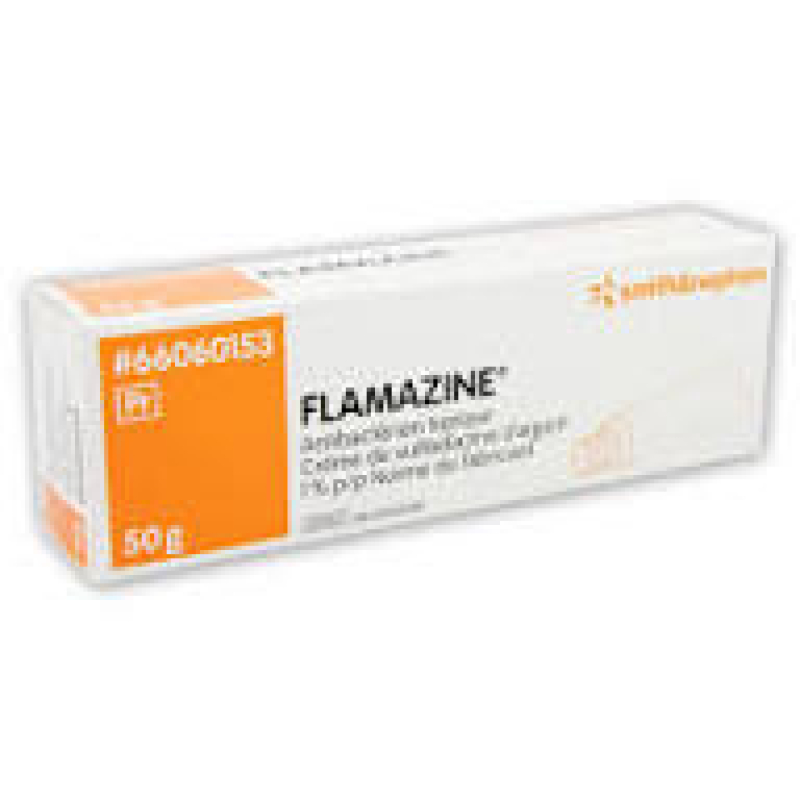
* Images for illustrative purposes only
* Brand supplied may vary depending on stock availability
- Effective Burn Treatment Cream – Contains Silver Sulphadiazine 1%, trusted to treat first and seconddegree burns and prevent infections.
- Antibacterial Protection – Acts as a broadspectrum antimicrobial to reduce the risk of wound infection and promote clean healing.
- Versatile Medical Use – Suitable for treating burns, ulcers, skin grafts, and infected wounds
While You Wait Service Available
While You Wait Service available for additional £3, conditions apply.
- Effective Burn Treatment Cream – Contains Silver Sulphadiazine 1%, trusted to treat first and seconddegree burns and prevent infections.
- Antibacterial Protection – Acts as a broadspectrum antimicrobial to reduce the risk of wound infection and promote clean healing.
- Versatile Medical Use – Suitable for treating burns, ulcers, skin grafts, and infected wounds
Quick & Easy
No appointment or long waiting times
Confidential Service
Your information always remains private
Trusted Clinicians
All our doctors & pharmacists are qualified & based in the UK
Registered Pharmacies
Dispensed by our UK partner pharmacies
How to Order ? Simple.
-

1.
Select Treatment
Choose from our treatment options or speak to the in-store pharmacist for advice
-

2.
Complete Medical Questionnaire
Complete our free online medical consultation to be reviewed by our Clinical Team
-

3.
Collect Medication from Local Pharmacy
We will notify you when your medication is ready for collection
Flamazine Cream is an antibacterial topical solution formulated with Silver Sulphadiazine 1% that effectively treats and prevents infections in burn wounds, skin ulcers, and surgical graft sites. This prescription-strength cream is a preferred choice in hospitals globally, known for its reliability in promoting swift healing.
Available Sizes: Choose from 20g, 50g, 250g, and 500g packs, making Flamazine suitable for various situations, from minor burns to comprehensive wound care.
Flamazine (silver sulfadiazine) is commonly used as a topical cream for the prevention and treatment of infections in second and third-degree burns. The typical dosage may vary based on specific conditions, but here are some general guidelines:
- **Application**: It is usually applied to the affected area once or twice a day, depending on the severity of the burn and the clinical situation.
- **Amount**: A thin layer of the cream should be spread over the burn area to ensure full coverage.
It's essential to follow a healthcare professional's instructions for use, as they will tailor the dosage based on individual needs and circumstances. If you have specific questions or concerns about its use, please consult your doctor or pharmacist.

