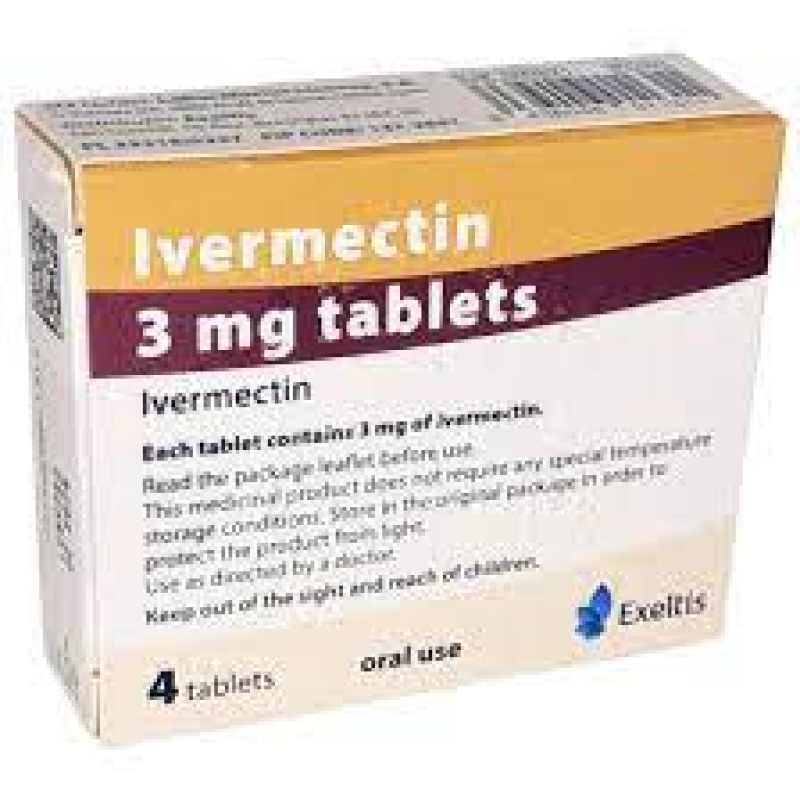
Ivermectin is a type of medication known as an anthelmintic. This means that it’s able to kill parasites, such as scabies mites. If you’re prescribed Ivermectin for scabies, you’ll take the medicine as a single oral dose. You may need to take a second dose seven to 14 days after the first to ensure all mites are dead.
Ivermectin is very effective in treating scabies. Around 58% of people found their infection was cleared after a single dose, while 98% of patients were scabies-free after two doses.
As Ivermectin is an oral scabies medication, some people may find it more convenient than a topical treatment.
It’s essential you get a professional diagnosis and go through a comprehensive consultation process before taking Ivermectin. This will help to ensure the medication is safe for you to use and the best option for your infection.
Ivermectin is generally taken as a single oral dose. It’s best to take Ivermectin on an empty stomach, as this helps to ensure it’s as effective as possible. Swallow the tablet with a glass of water.
The exact amount of Ivermectin you’ll need to take will depend on your weight and health history. It’s important to speak to a doctor before taking Ivermectin to ensure you take the correct amount. It may take up to four weeks to know if the treatment has been successful. You may also need to take a second dose to ensure all mites have been killed and the infection is completely cleared.
As with all medications, Ivermectin may cause some side effects, though these are not usually serious and shouldn’t last long. You may be more likely to experience side effects if you’re infected with several different parasites.
If you’re using Ivermectin to treat a scabies infection, the most common side effect is increased itching at the start of treatment. This shouldn’t last long and should be manageable.
If you have an allergic reaction to Ivermectin, you should stop taking the medication and seek medical help straight away. Signs of an allergic reaction include:
- Sudden fever
- Sudden skin reaction (such as rash or itching)
- Other serious skin reaction
- Difficulty breathing
Ivermectin shouldn’t be taken by women who are pregnant or breastfeeding unless their doctor has instructed them to do so. Young children (less than 15kg) shouldn’t take Ivermectin as there isn’t enough research into its effects. Ivermectin may also be unsuitable if you’re aged 65 or over.
It’s important not to drink alcohol when taking Ivermectin. This is because the medication could react with alcohol and increase the chances that you’ll experience side effects.
Tell your doctor about any other medications you take during your consultation to ensure Ivermectin is the right choice for you. Make sure you have a confirmed diagnosis before taking the medication.