Fusidic Acid Cream
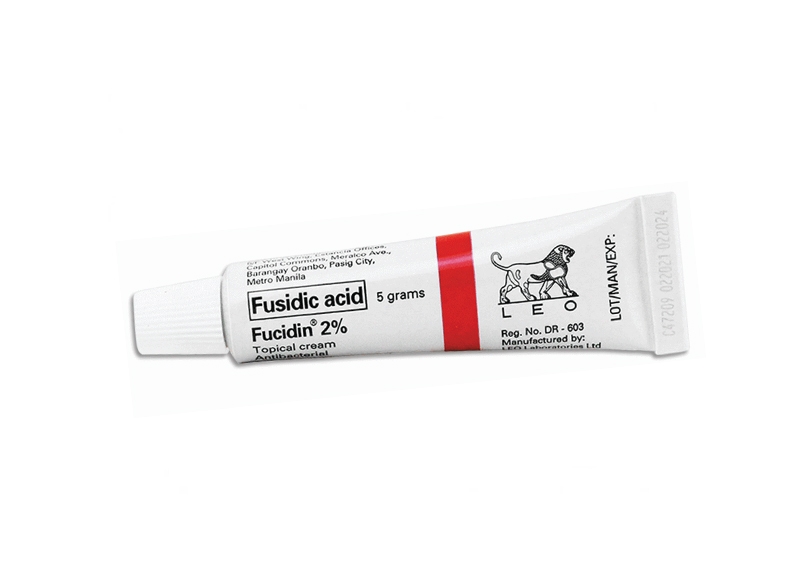
* Images for illustrative purposes only
* Brand supplied may vary depending on stock availability
- Contains two active ingredients:
- Betamethasone Valerate: A moderately potent corticosteroid that reduces inflammation, itching, and redness.
- Fusidic Acid Cream: An antibiotic that kills certain types of bacteria, particularly Staphylococcus species, which are common in skin infections.
While You Wait Service Available
While You Wait Service available for additional £3, conditions apply.
- Contains two active ingredients:
- Betamethasone Valerate: A moderately potent corticosteroid that reduces inflammation, itching, and redness.
- Fusidic Acid Cream: An antibiotic that kills certain types of bacteria, particularly Staphylococcus species, which are common in skin infections.
Quick & Easy
No appointment or long waiting times
Confidential Service
Your information always remains private
Trusted Clinicians
All our doctors & pharmacists are qualified & based in the UK
Registered Pharmacies
Dispensed by our UK partner pharmacies
How to Order ? Simple.
-

1.
Select Treatment
Choose from our treatment options or speak to the in-store pharmacist for advice
-

2.
Complete Medical Questionnaire
Complete our free online medical consultation to be reviewed by our Clinical Team
-

3.
Collect Medication from Local Pharmacy
We will notify you when your medication is ready for collection
Fusidic Acid cream is an effective prescription-only medicine that is used to treat infected impetigo, eczema, dermatitis and other infected skin conditions. Fucidin cream is a topical treatment, which means you apply it to the affected area. It helps provide relief from symptoms and prevents the condition from getting worse.
Fusidic Acid cream contains the active ingredient fusidic acid, which is an antibiotic. Fusidic acid works by stopping the bacteria that cause infections from growing and increasing in number. Fusidic acid prevents these bacteria from producing the proteins they require to replicate. This stops the infection from spreading, which causes the bacteria to die and allows the immune system to kill the remaining bacteria.
This will generally be three or four times per day. You may need to apply less frequently if the affected area is protected by a dressing. With sustained use of this medicine, there is an increased risk that an infection will become resistant to Fucidin. Speak to your GP if you do not notice any improvement within a few days.
Always use this medicine exactly as directed by your clinician. Continue using Fucidin until you have completed the prescribed treatment. This will prevent a recurrence of the infection, which may be resistant to Fucidin.
In the event you miss a dose, it is safe to apply the missed dose as soon as possible. However, if enough time has passed that you should be applying your next dose instead, simply skip the missed dose and resume your typical application schedule.
Follow the instructions below to ensure appropriate use of this medication:
- Wash your hands thoroughly with warm water and soap
- Place a small amount of Bactroban on a clean cotton wool pad or gauze swab.
- Apply the cream to the infected area of your skin.
- You can cover the treated area with a plaster or other suitable dressing, unless your doctor has told you to leave it uncovered.
- Be careful to avoid your eyes if you use it on your face (If you accidentally get any in your eye, wash it out with cold water straight away, then bathe your eye with eyewash if possible)
- Replace the cap on the tube and wash your hands
Always use this medication exactly as your clinician has told you. Check with our clinical team or your GP or pharmacist if you are not sure.
Medicines and their possible side effects can affect individual people in different ways. The following are some of the side effects that are known to be associated with this medicine. Just because a side effect is stated here, it does not mean that all people using this medicine will experience that or any side effect.
The more common Fucidin cream side effects include:
- Irritation at site of application, including pain, burning, stinging and skin redness
- Itching
- Rash
- Eczema
For full information on side effects and correct use, see the patient information leaflet. If any side effects concern you, or you are experiencing any of the side effects mentioned in the patient information leaflet whilst taking this medication, please contact our clinical team or speak to your GP.
Fucidin H should not be used on any of the following conditions:
- Acne
- Perioral dermatitis (a rash around the mouth)
- Viral infections (e.g. cold sores, herpes, chicken pox)
- Bacterial infections which are unrelated to dermatitis
- Fungal infections (e.g. thrush, athlete’s foot)
- Rosacea (a flushing of the skin around the nose)
- Perioral dermatitis (a rash around the mouth/chin)
- Conditions caused by syphilis or tuberculosis
- Open wounds
- Broken veins
Take extra care when using this cream on large areas of skin or anywhere on the face, especially near the eyes. In addition, keep it away from sensitive areas of skin (e.g. the lips, the genitals) unless you’ve been directly told otherwise by your doctor.
Get emergency medical help if you have signs of an allergic reaction to this medication. These include:
- Hives
- Dizziness
- Fast or pounding heartbeats
- Wheezing
- Difficult breathing
- Swelling of your face, lips, tongue, or throat.
It is important that you let us know which prescription, over-the-counter medicines and recreational drugs you are currently taking. You must also tell us about any other medical conditions that you currently have (or had in the past). This will help us ensure the prescribed medication is safe and appropriate for you to take.
For full information on warnings, medication interactions and contraindications, refer to the Patient Information Leaflet. Please read all packaging and the Patient Information Leaflet before taking any new medicine and inform our clinical team or your GP of medicines you are taking or intend to take.

