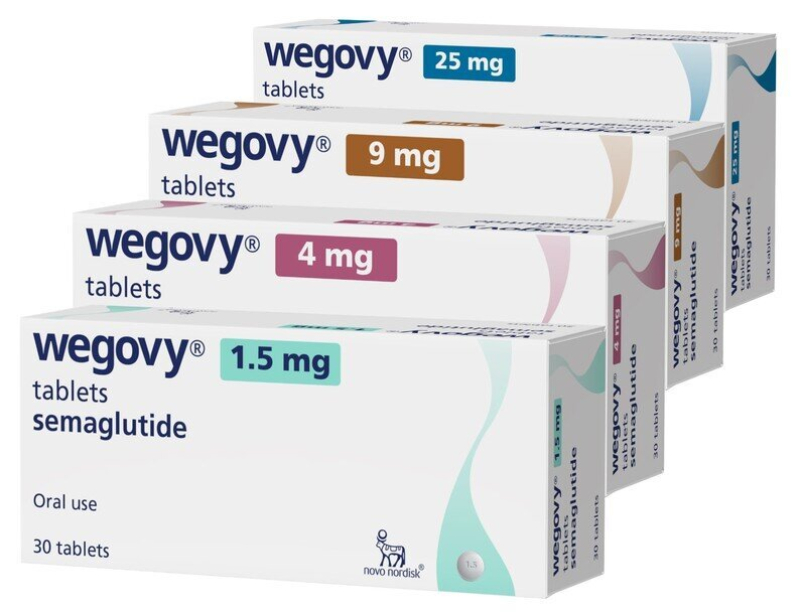
Wegovy (oral) is a prescription-only GLP-1 medication formulated as a daily tablet to aid medically supervised weight loss. Its active ingredient, semaglutide, is the same molecule used in several injectable weight-management therapies, but delivered in pill form for those who prefer or require an oral option. Semaglutide works on brain centers that regulate hunger, satiety, and food-related reward, helping to reduce persistent thoughts about eating, curb cravings, and decrease overall appetite. When used as part of a comprehensive program that includes diet, physical activity, and clinical monitoring, the tablet can support meaningful, sustained weight reduction and help improve behaviors that contribute to long-term weight maintenance. Talk with a healthcare provider to determine whether this prescription option is appropriate, understand potential side effects, and establish a safe treatment plan.
Wegovy tablets are taken once daily. Swallow each tablet whole — do not split, chew, or crush it. Take Wegovy first thing in the morning on an empty stomach with a small sip of water (manufacturer guidance: no more than 4 oz / ~100 mL). Take the tablet at least 30 minutes before you eat, drink anything other than that small sip of water, or take any other medications to ensure proper absorption and effectiveness.
Side effects are most noticeable when you start Wegovy or when your dose is increased, and they commonly lessen as your body adjusts.
Very common effects (seen in many users) include gastrointestinal symptoms such as nausea, vomiting, diarrhea, and constipation. You may also experience abdominal pain, headaches, and tiredness. Mild headaches and stomach upsets are often manageable with over?the?counter remedies and self?care measures. To help reduce nausea, try fresh air breaks, sipping cold or clear fluids slowly, eating smaller, more frequent meals, and avoiding rich or spicy foods.
Less common effects (affecting fewer than 1 in 100 people) can include an increased heart rate, episodes of low blood glucose (hypoglycemia), kidney stones, and inflammation of the pancreas (pancreatitis). People taking blood?sugar–lowering medications should monitor for hypoglycemia and discuss dose adjustments with their clinician.
Rare adverse events (fewer than 1 in 1,000 people) may include severe allergic reactions (anaphylaxis) and angioedema — swelling under the skin that can involve the face, lips, tongue, or throat and potentially interfere with breathing.
Monitor how you feel and report any persistent, worsening, or concerning symptoms to your healthcare provider. Seek urgent medical attention if you have signs of a severe reaction or complication, such as trouble breathing, sudden or severe swelling of the face or throat, intense or persistent abdominal pain, high fever, fainting, or symptoms of severe hypoglycemia.
- Contraindications and major warnings
- Do not use if you have a personal or family history of medullary thyroid carcinoma (MTC) or multiple endocrine neoplasia syndrome type 2 (MEN2). Semaglutide has been associated with thyroid C?cell tumors in rodent studies.
- Stop and seek immediate medical care for signs of a severe allergic reaction or angioedema (hives, rash, swelling of face/lips/tongue/throat, difficulty breathing or swallowing).
- Pancreatitis
- Use caution if you have a history of pancreatitis. Discontinue and seek urgent care for severe, persistent, or worsening abdominal pain (with or without vomiting) that may indicate pancreatitis.
- Hypoglycemia (low blood sugar)
- People taking insulin or insulin secretagogues (e.g., sulfonylureas) are at increased risk of hypoglycemia. Monitor blood glucose closely and discuss medication adjustments with your prescriber.
- Renal and hepatic impairment; dehydration
- Gastrointestinal side effects (vomiting, diarrhea) can cause dehydration and worsen renal function. Use with caution in patients with impaired kidney or liver function; monitor renal function and hydration status.
- Gallbladder disease
- Rapid weight loss and GLP?1 therapy can increase the risk of gallstones and cholecystitis. Evaluate new right?upper?quadrant pain, fever, or jaundice promptly.
- Cardiovascular symptoms and heart rate
- Some patients report increased heart rate. Report palpitations, chest pain, or new cardiovascular symptoms to your clinician.
- Pregnancy and breastfeeding
- Avoid use during pregnancy and breastfeeding. Semaglutide may harm the fetus; discuss contraception and pregnancy plans with your provider.
- Use in specific populations
- Not indicated for treatment of type 1 diabetes or diabetic ketoacidosis.
- Exercise caution and individualize dosing in elderly patients and those with low body weight or multiple comorbidities.
- Drug interactions and administration
- Take on an empty stomach per instructions; other oral medications may have altered absorption if taken within 30 minutes. Review all prescription and OTC medications and supplements with your clinician or pharmacist.
- Monitoring and follow?up
- Have regular follow?up with your healthcare provider to monitor weight loss, side effects, blood glucose, renal function, and overall treatment appropriateness. Report any persistent, severe, or unusual symptoms immediately.